Eco-Friendly Printing: 8 Ways to Reduce Your Environmental Impact
Marcus Johnson
January 3, 2025
1. Print Only When Necessary
The greenest page is the one you don't print. Before hitting print, ask yourself: "Do I really need a physical copy?" Consider digital alternatives like cloud storage, email, and screen sharing.
2. Use Duplex (Double-Sided) Printing
Printing on both sides of the page cuts paper consumption in half. Enable duplex printing as your default setting to automatically reduce waste.
3. Choose Recycled Paper
Look for paper with high post-consumer waste content (at least 30%). Recycled paper has improved dramatically in quality while reducing deforestation.
4. Optimize Print Settings
- Use draft or eco-mode for internal documents
- Reduce margins to fit more content per page
- Print multiple pages per sheet when appropriate
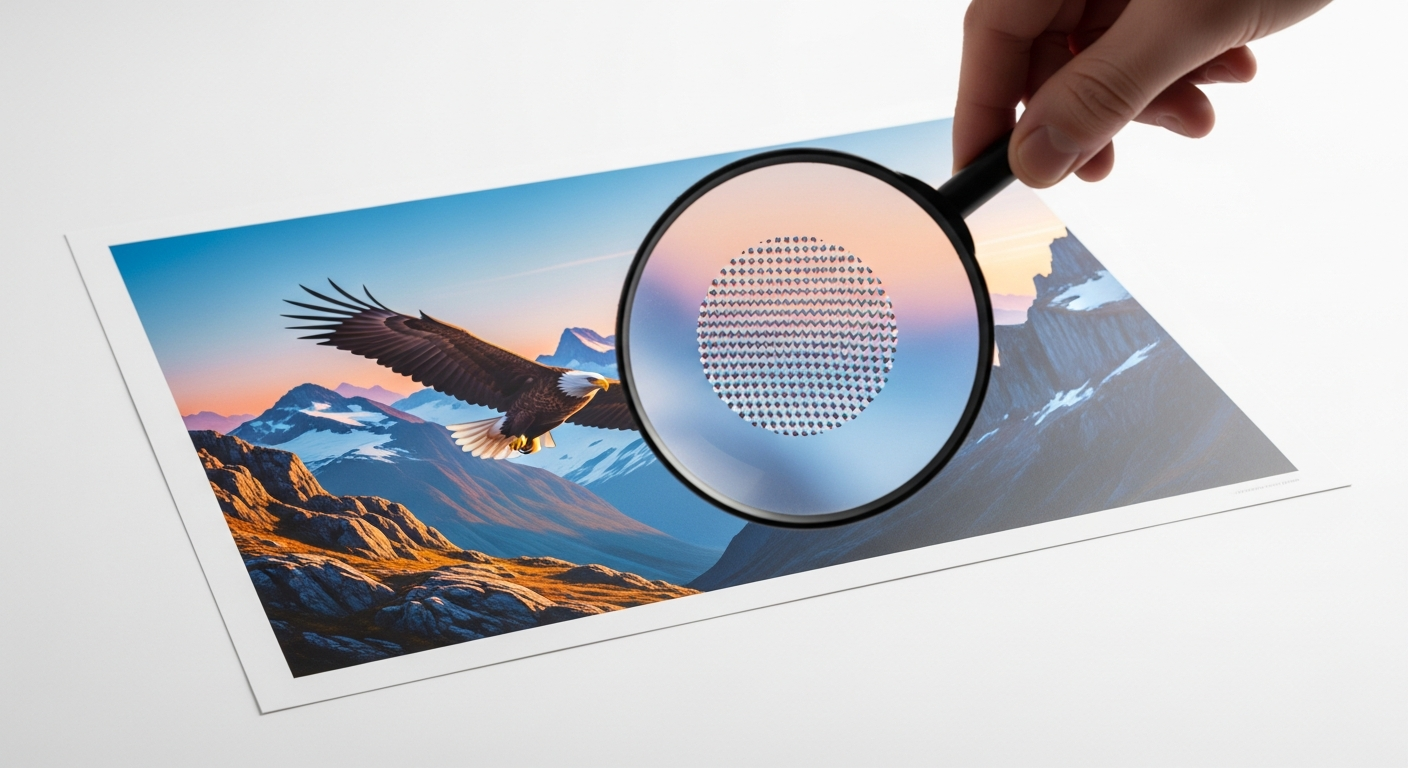
- Choose grayscale over color when possible
5. Recycle Cartridges Properly
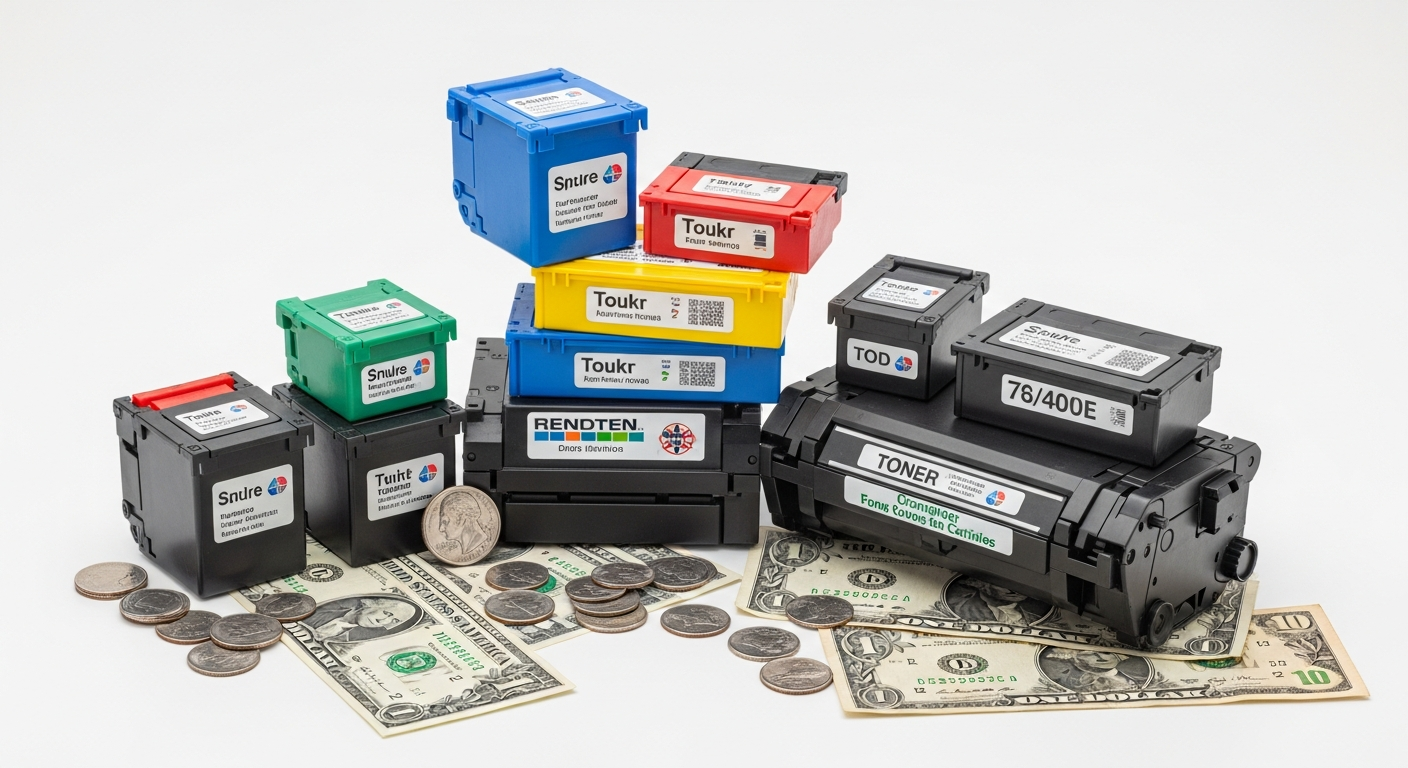
Ink and toner cartridges contain plastics and chemicals that shouldn't end up in landfills. Many manufacturers offer free recycling programs with prepaid shipping labels.
6. Go Digital First
Embrace digital document management:
- Use e-signatures instead of printing for signatures
- Store documents in cloud services
- Share files electronically instead of printing copies
- Use PDF annotation tools instead of printing for review
7. Choose Energy-Efficient Printers
Look for ENERGY STAR certified printers that use less power. Enable sleep mode and automatic shutoff to reduce energy consumption when idle.
8. Consider Remanufactured Cartridges
High-quality remanufactured cartridges perform as well as new ones while keeping plastics out of landfills. They're also typically 30-50% cheaper.
The Bottom Line
Small changes in printing habits create significant environmental impact. A typical office worker uses about 10,000 sheets of paper annually. Reducing that by just 20% saves 2,000 sheets per person—imagine the collective impact!